
This website uses cookies to improve your experience. We assume you're ok with this, but you can opt-out if you wish. Read More


Have you ever thought you’d like to make homemade stock? Maybe you just weren’t sure where to start or how to develop great flavor. Here you will discover how to make great stock every time!
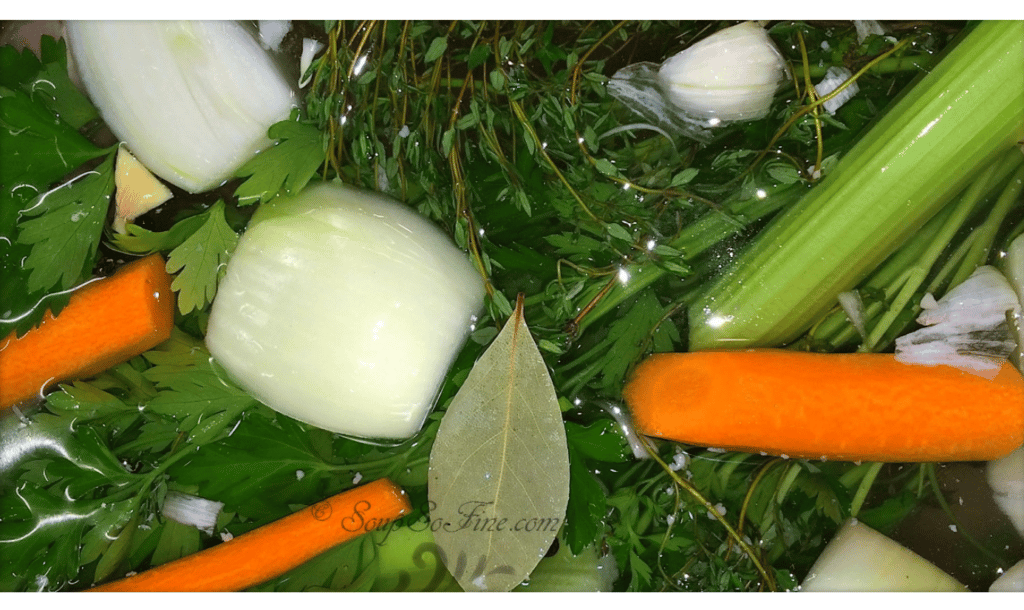
Making great stock begins with wholesome ingredients — fresh vegetables and herbs, fresh cold water, whole spices, and fresh meat and bones.
Following a period of long simmering, you have a nourishing liquid that forms the flavor foundation for your favorite soups. In fact, Auguste Escoffier, considered by many to have been the greatest chef of all time, said that stock is everything in cooking.
Additionally, Escoffier’s insights have stood the test of time. In fact, many of the principles used in stock making today are based on his work which started in the late 19th century.
Below are seven surefire principles for making great homemade stock every time.
First, making great stock begins with meaty, raw bones with a high collagen content. And the method for extracting their nutrient-rich goodness is through long simmering.
As the bones slowly release their collagen, they also release their flavor. The collagen is desirable for nutritional reasons. But perhaps even more importantly, it adds body to the stock and gathers flavor from the neighboring vegetables and spices.
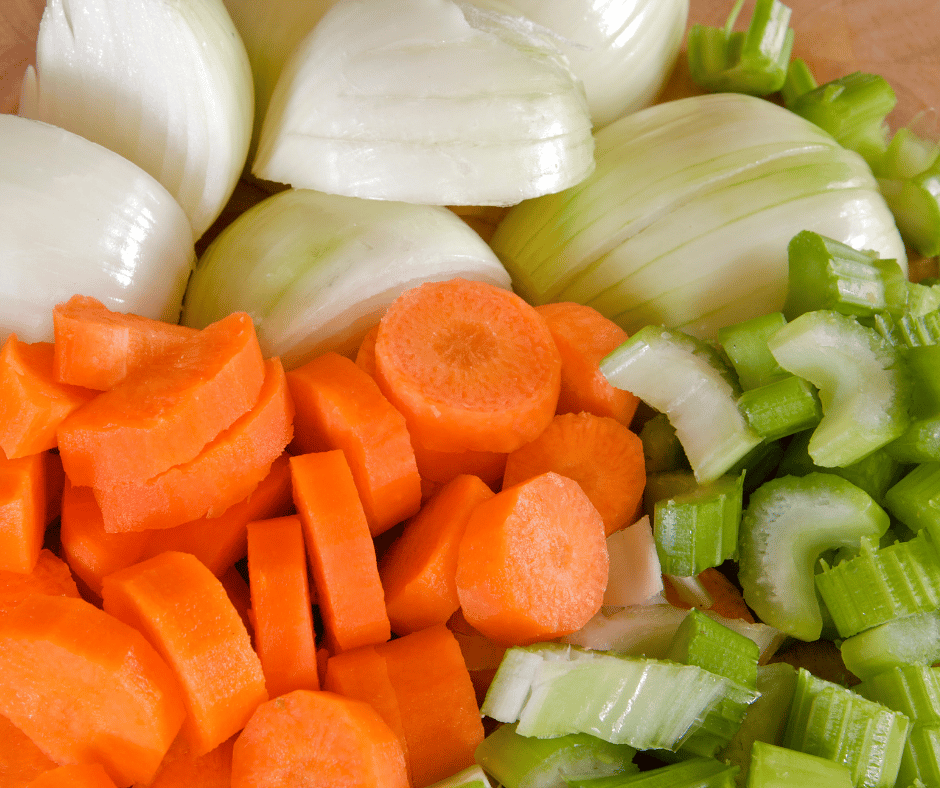
Secondly, a great stock benefits from the addition of a mirepoix. A classic mirepoix (pronounced meer-pwah) is a combination of 2 parts onions with 1-part carrots and 1-part celery. This aromatic mixture provides a deep flavor foundation for traditional stocks.
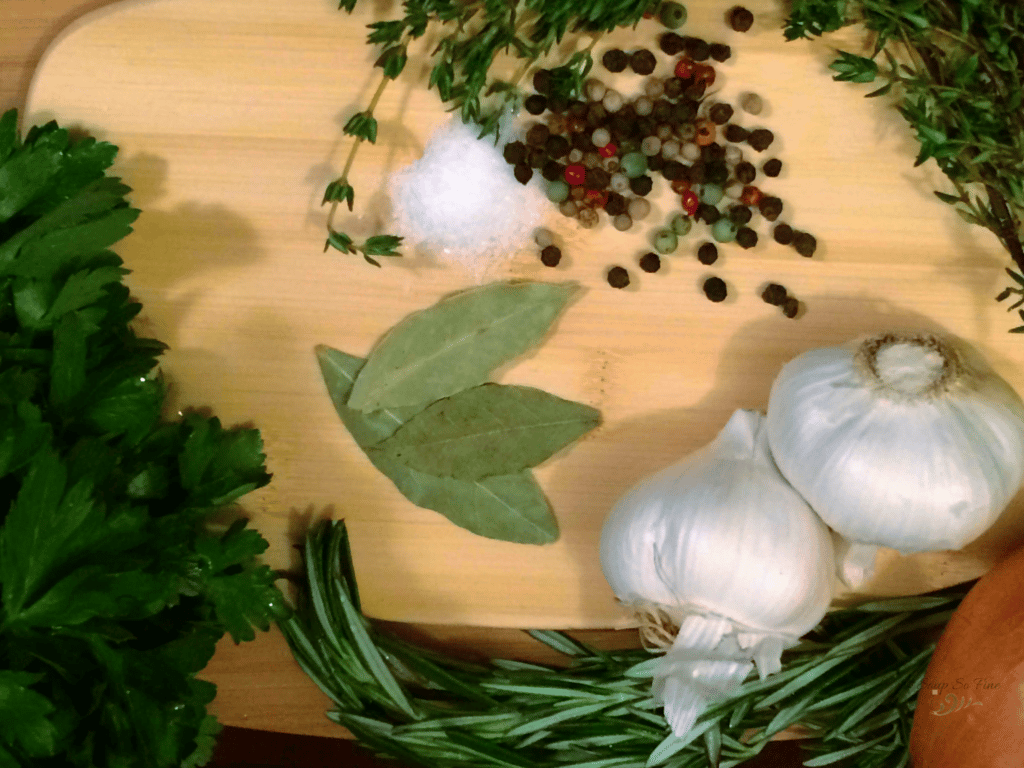
The third principle regarding how to great stock every time requires using a combination of herbs and spices. Aromatic herbs and spices are simmered in the stock to add extra flavor. They can simply be tossed into the stock pot with the vegetables or wrapped in a piece of cheesecloth to form a sachet.
Fourth on the list of surefire principles is the addition of cold water right before starting the simmering process.
It’s important to start by covering your ingredients with roughly two inches of cold water and gradually bringing it to a simmer. The cold water helps to start the flavor-extracting process by drawing savory juices from the meat and bones.

The fifth principle for how to make great stock every time involves simmering the ingredients for full flavor extraction. Bring the cold water to a gradual boil. Then without delay, reduce the heat to a simmer. The heat should be low enough that only an occasional bubble is detected.
It is this simmering that allows the slow release of collagen from the bones. With the release of collagen comes nutrition and flavor. On top of that, the collagen then picks up flavors from the aromatic vegetables.
While rapid boiling can hinder the release of collagen, it can also make the fat very difficult to remove and result in a greasy tasting stock.
Next, in order to obtain the purest tasting stock, skim the surface of the stock to remove any clouding froth and fat. This can be done using a large spoon or with the edge of a ladle. Skimming the surface is usually only important during the first 30 minutes of simmering.
Don’t stir.

Last, but not least, the seventh principle for how to make great stock every time involves carefully straining the stock through a fine-mesh sieve. This process helps you easily remove the vegetables, bones, and herbs. Discard these well-used ingredients which have imparted so much flavor.
For an even clearer stock, you may wish to first line your sieve with a layer or two of cheesecloth. The cheesecloth will help remove cloudiness from your stock by lifting out the tiny bits which remain after simmering.
On the other hand, if flavor is what you’re after and cloudiness is not a concern, pressing the solids with a ladle will help extract any flavor they might still be holding.
Straining your stock using a fine-mesh sieve helps you gather all of the goodness given by your ingredients.
Finally, while not every soup requires the use of stock, those that do rely on it to carry flavor. That’s why the soup won’t shine with flavor if the stock is mediocre.
Making homemade stock is a fun and easy process which allows you to transform wholesome ingredients into a nutritious and delicious flavor foundation for your favorite soups.
These outlined principles for making stock have stood the test of time. Accordingly, using them will also help you make great stock every time!
This website uses cookies to improve your experience. We assume you're ok with this, but you can opt-out if you wish. Read More
Preferences